Divine Word
3rd Sunday of Advent (B)

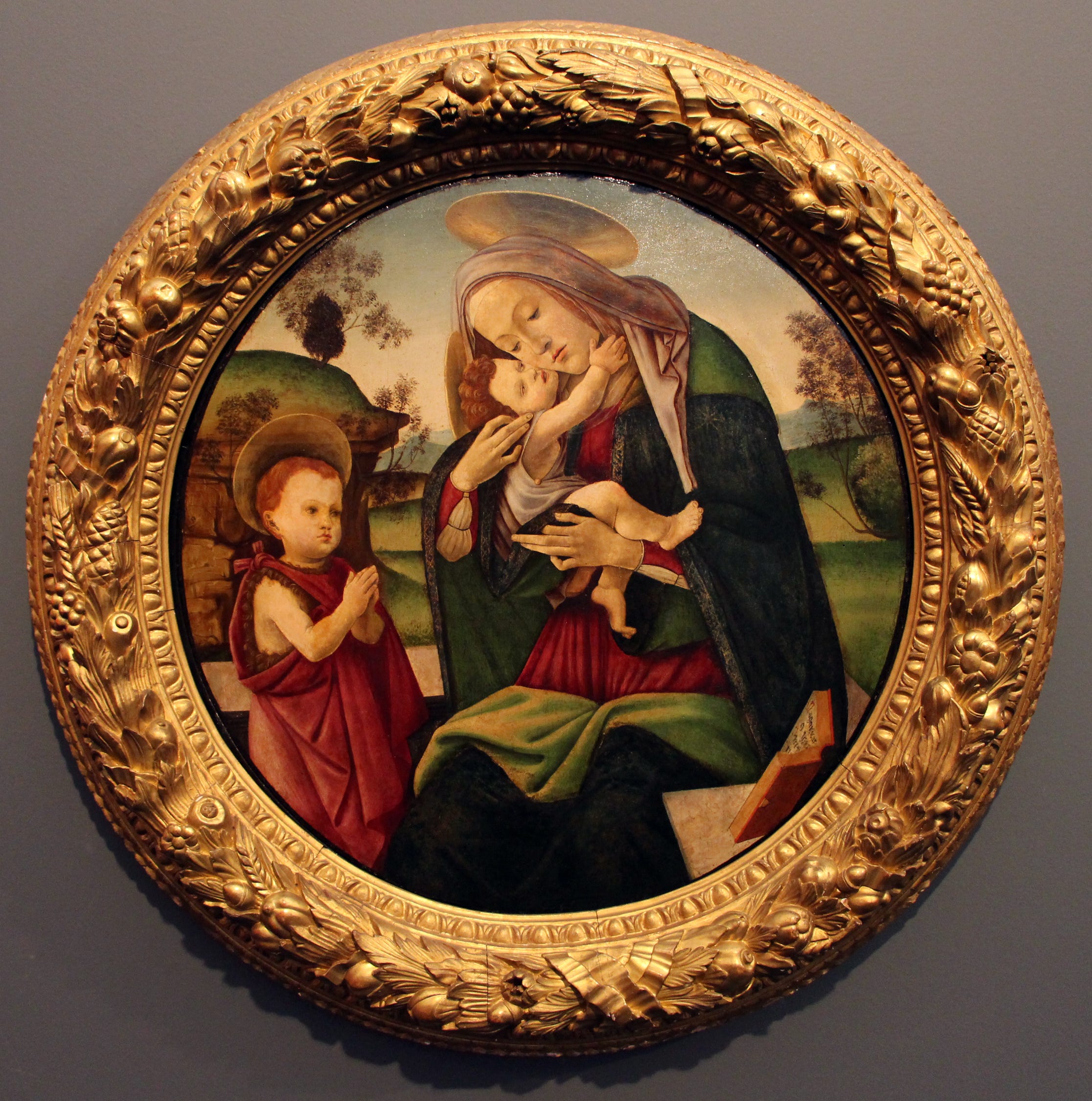
In the Angelus devotion which we pray after Mass, we repeat the verse, “The Word became flesh and dwelt among us.” This is taken from the Gospel of John (Jn 1:14), who describes Jesus as the “Word” (Greek: “Logos”) of the Father. What does this mean?
A “word” is used to express what is in the mind or heart. Only humans and other spiritual beings (angels, God) use words to communicate. Other animals may use sounds such as barks, grunts, and tweets, but words are different because they convey an idea or a personal sentiment, things which animals do not have.
God, the supreme spiritual Being, has a Mind, an “interior,” which He too communicates by means of a Word. This Word expresses fully and perfectly what is “inside” Him, in fact it is co-extensive and co-eternal with Him. The Word was in the beginning with God, and the Word was God, and through this Word all things were made (Jn 1:1-2). The Word is the Son who proceeds from (within) the Father. In the Incarnation, the Word became flesh and dwelt among us. The Word was born of the Virgin Mary, and his name is Jesus.
Jesus is the full and perfect revelation of God. He who sees him sees the Father (Jn 14:9). In this one “Word,” God the Father “speaks” everything necessary to communicate Himself to man, and He does so in a “language” that man can perceive in a human way, the language of human nature itself.
During the Advent preparations it is John the Baptist, and the Virgin Mary who show us the way. Each of them has a special relationship to the “Word” of God.
John the Baptist, as greatest of the prophets, speaks God’s word. He avoids all debate with the Jews from Jerusalem about his exact role, since they have great misunderstanding, and simply states that he is the “voice” in the desert. He is not to be confused with the prophets who went before, who conveyed God’s Word by means of audible or written human words. Instead, he is the voice privileged to speak that word which is the Divine Word in person, Jesus the Messiah. John lived as a hermit in the desert, in order to devote himself to prayer and study of the Scriptures, listening intently to God so that he might recognize the unrecognized Word living “among you” (cf. Jn 1:26).
The Virgin Mary, even more than John the Baptist, hears and proclaims God’s Word. She receives God’s Word not only in mind and heart, but in body and soul. The invisible Word becomes flesh in her, and is born as man. Mary’s “hearing” is the Incarnation, and Mary’s “speaking” is the Nativity. More than the Voice in the desert, her role is to be the Theotokos, Mother of God.
The relationship of John the Baptist and the Virgin Mary to God’s Word is now given to us to live out in the worship of the Mass. First we receive the Word by means of the voice: the proclamation of Christ in the Scriptures during the Liturgy of the Word. Jesus, proclaimed by John the Baptist, is heard in our midst. After that, we receive the Word by means of communion: the Sacrifice of the Eucharist which unites us both physically and spiritually with the Body, Blood, Soul, and Divinity of Jesus. Jesus, conceived by Mary in her womb, is received into our body and soul.
Let us continue our preparation for the great feast by looking to the examples of these two great saints, through whom God speaks His Divine Word into our human lives.